
reduce PAHs –
prevent future cancer
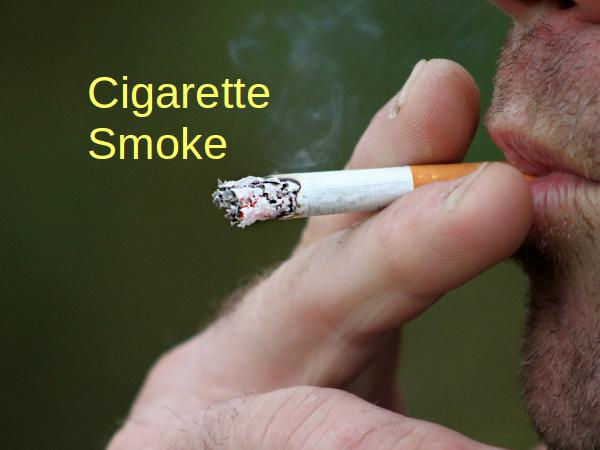
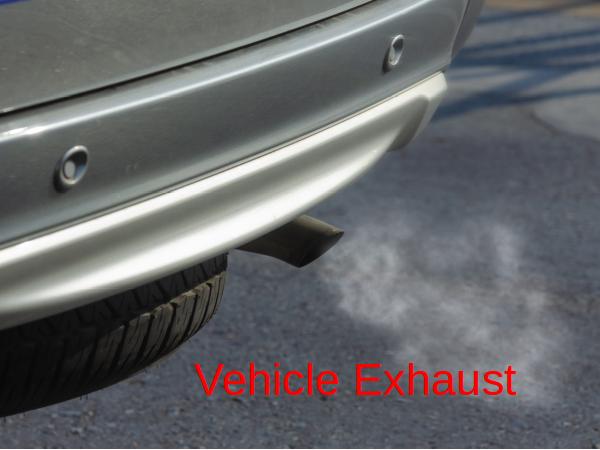
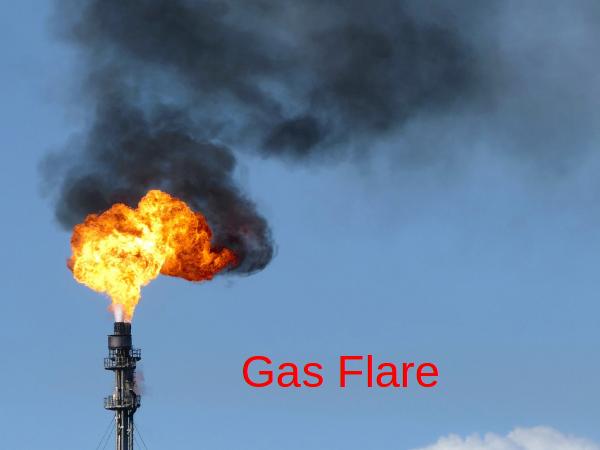
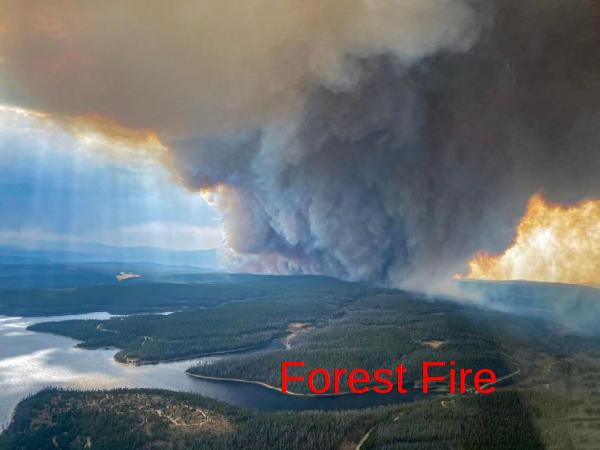
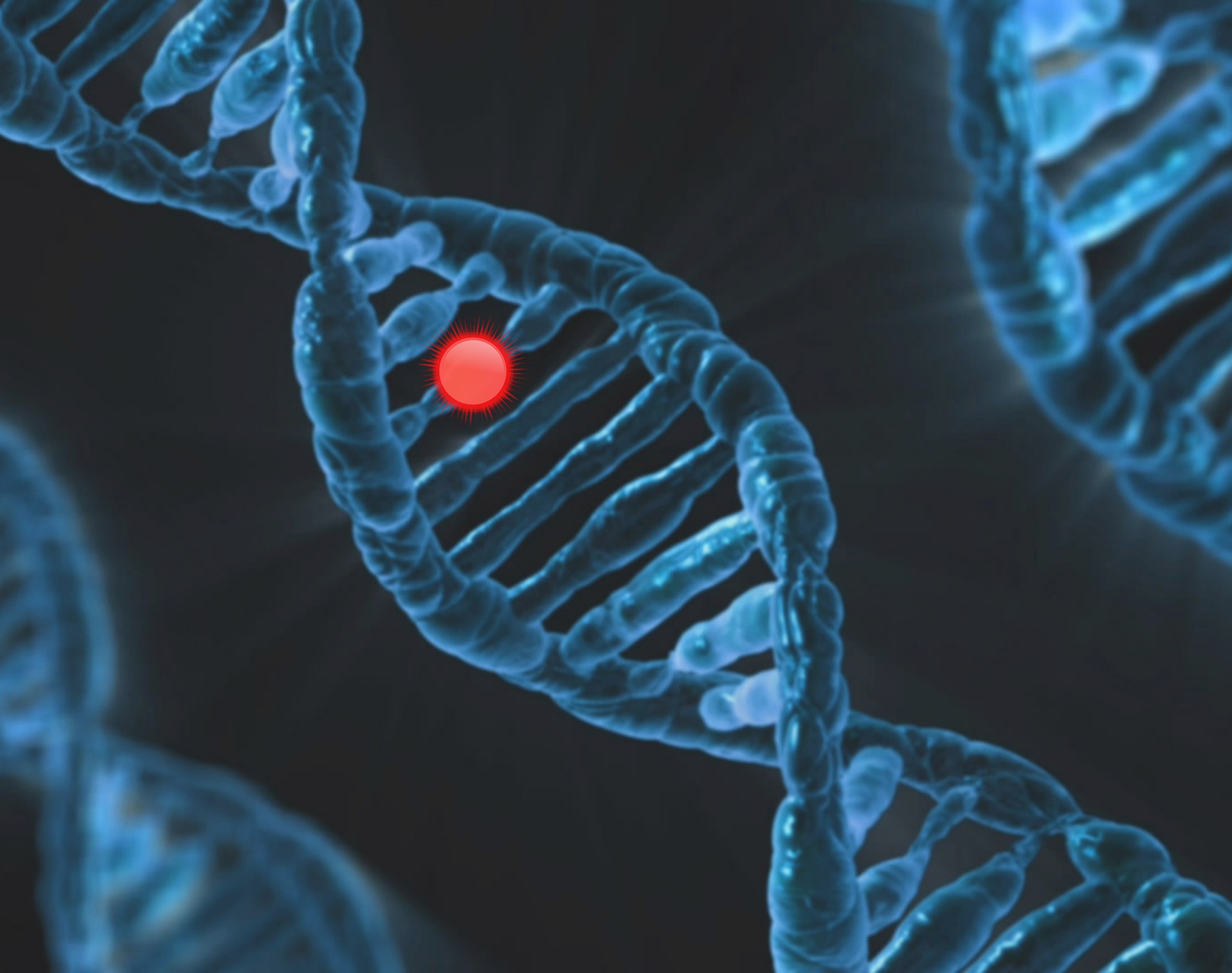
Polycyclic Aromatic Hydrocarbons (Let’s call them “PAHs”, rhymes with “cars”) are chemicals found in our air, food and water.
Recent university research suggests that PAHs cause over 6 million new cancer cases each year. That’s more than 30% of today’s cancer.
The good news is you can reduce your exposure to PAHs, so you will be less likely to develop cancer.
Governments can reduce PAHs in our air and water, and prevent future cancer. Millions of future cancer cases need not happen, if our exposure to PAHs is reduced.
By acting now, we can reduce cancer for our children and grandchildren.

aa
I
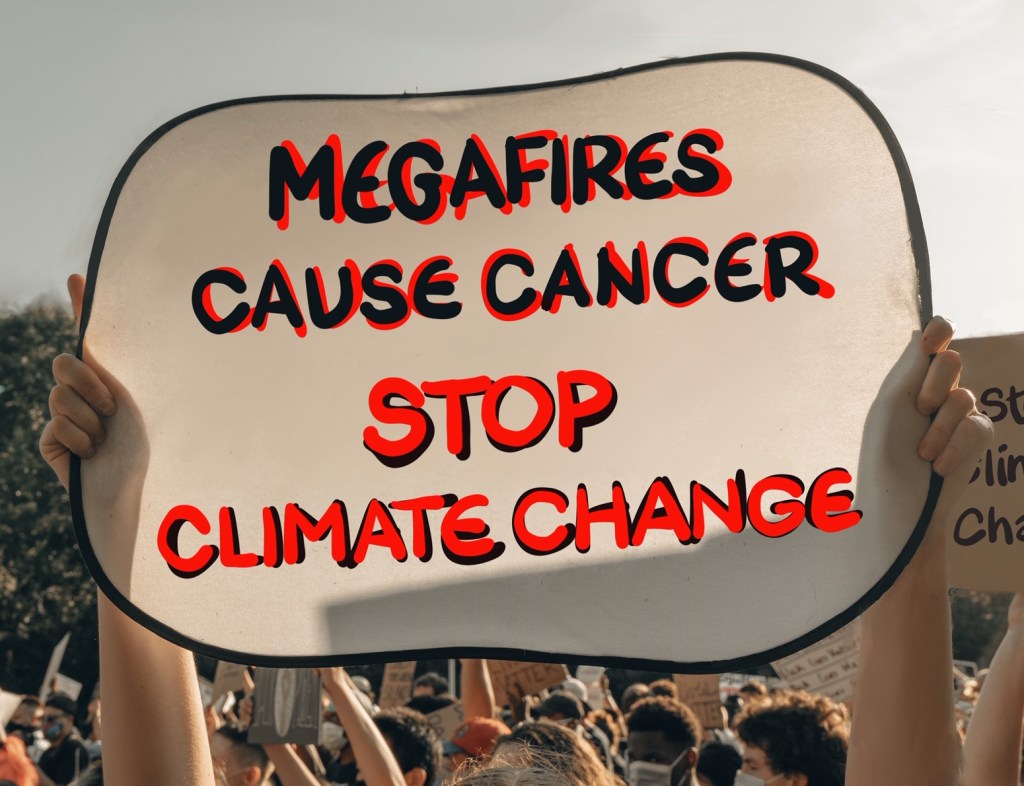
By reducing Pahs in air and water we can prevent future cancer cases
The long-term economic cost of cancer treatment is huge
The human cost of cancer is much greater
How much cancer is caused by Pahs?
PFAS the forever chemicals; PAHs the now chemicals
Why this website?
“During my 30 years as a research scientist, I worked with tiny, microgram amounts of potent mutagens to change normal cells into cancer cells. In the laboratory where I worked, these very dangerous chemicals, Pahs, were handled with protective clothing, in laminar flow hoods, and every microgram had to be accounted for and disposed of as “hazardous waste”. When Coal-Seam Gas Mining came to the Northern Rivers District of NSW where I live, I was appalled to find that each CSG test well was liberating kilograms of Pahs into the air and underground water. Now megafires are liberating hundreds of kilograms. So I decided to take a closer look at the scientific literature on these chemicals.
This website is the result.”
Dr Effie Ablett More
How you can help
Share this site with your friends
Please email us if you can help with publicising the website, putting it out on social media, or writing letters to your local paper and to politicians
“You may never know what results come of your actions, but if you do nothing, there will be no results.”
― Mahatma Gandhi
Get In Touch
pah_info@yahoo.com
Any questions?
Please let us know what you think of the website.
Any ideas how to publicise the website?
Do you know of any possible PAH emissions in your area?

 pahs-and-cancer.org