


What you can do to prevent cancer from PAHs:
Reduce your exposure to PAHs
Boost your immune system
Help to reduce future cancer by urging your government to reduce PAHs in air and water
Reduce your exposure to PAHs
To reduce your chances of getting cancer:
1. Avoid smoke and ash (see below), vehicle exhausts and bitumen fumes. If you smell smoke or fumes, you may be exposed to levels of PAHs that could cause cancer.
2. Eat less browned or burnt meat.
3. Eat less smoked food – ham, bacon.
Avoid smoke and ash
Smoke causes cancer.
If you can smell bushfire smoke or know there are bushfires in your area
- Stay inside and close all doors and windows.
2. Wear a P2 mask if you need to go outside.
Avoid tobacco smoke
- Give up smoking.
- Avoid areas where people are smoking.
Ash causes cancer.
If bushfires are in your area, run-off from fire areas will contaminate water supplies.
- Filter drinking and cooking water.
2. Firefighters need to wash clothes, equipment and hands.
3. Wear mask, gloves and wash hands when handling fireplace ash.
4. Tank water in bushfire areas will be contaminated by airborne ash containing PAHs. Close tank inlets if there is smoke in the air. Do not fill tanks with rainwater until the roof has been cleaned free of all ash. Do not drink tank water that could have been contaminated by ash or smoke.
Boost your Immune system
Your immune system can wipe out cancer cells, so you can reduce cancer in your body by stimulating your immune system.
1. Reduce stress
2. Eat healthy foods
3. Reduce alcohol consumption
4. Loose weight
Governments can reduce PAH levels
We need to let our government know that we are concerned about PAHs in our air and water causing cancer.
They can prevent this by introducing legislation to improve monitoring and reduce PAH levels.
They need to act on climate change NOW to reduce wildfires, because future cancer caused by PAHs in wildfire smoke will increase with each season of megafires.



You can urge your government to:
Improve drinking water standards and assays
Many scientists believe safe drinking water standards for PAHs need to be reassessed. The levels of PAHs in the current standards are too high to be safe.
PAH assays need to be improved. Although commercial water testing measures the most prevalent Volatile Organic Compounds (VOC assays), PAHs are often not included, as they are at lower levels. Specific assays for PAHs are needed.
In theory, PAHs could initiate cancer at concentrations way below the levels in drinking water that present assays can detect. When activated, PAHs react permanently with DNA to form new molecules. This process can occur at very low concentrations. Some scientists believe there may be no safe levels for these chemicals in water or air, but we must work to make the amounts as minimal as possible.
Provide adequate filters for PAHs in drinking water treatment plants in wildfire areas
PAHs from wildfire smoke are washed into the local water table when it rains. Any municipal drinking water treatment plants in Local Government Areas that could have wildfires near water catchment areas need to have adequate filters for PAHs. These filters need to be regularly tested to ensure they are working effectively.
Monitor PAH levels in air
Air monitoring for smog particles (PM2.5 and PM10) is carried out in some areas of Australia. Some PAHs bind to these particles, but not all. We need assays specifically for PAHs when air is monitored for pollutants, rather than general particulate assays.
Reduce PAH pollution from vehicles
Motor cars and trucks are meant to have filters to reduce PAH emissions. In practice, PAH levels in air have been measured to be higher in areas with vehicular traffic compared to vehicle-free areas. Transition to hybrid or fully electric vehicles should be more actively supported by governments to reduce PAH emissions and the resulting cancers.
Reduce PAH pollution from mining, industry
PAH monitoring of air and water near all existing fossil fuel mining needs to be carried out by government agencies and not the mining companies. New mining leases are being approved without considering the future cancer cases that will result from PAH emissions. People’s health should be more important than revenue from mining.
Improve respirators for wildfire fighters
In many countries firemen use full protective gear to prevent inhalation of PAHs when fighting fires. This needs to be developed for all wildfire fighters, including volunteers.
Reduce wildfires – reduce cancer
Wildfires emit huge amounts of PAHs into the air and surrounding water supplies.
PAHs in wildfire smoke and in drinking water from fire areas, need to be studied to assess their potential to increase cancer. They need to be taken into account in assessing the health impacts of wildfires.
Reduce climate change – reduce cancer
Working to reduce climate change means reducing greenhouse gas emissions. Greenhouse gas emissions from fossil fuel burning contain PAHs. Working to reduce climate change will also reduce wildfires and PAHs emitted in wildfire smoke and runoff. Reducing these types of emissions will, in time, reduce cancer caused by PAHs.
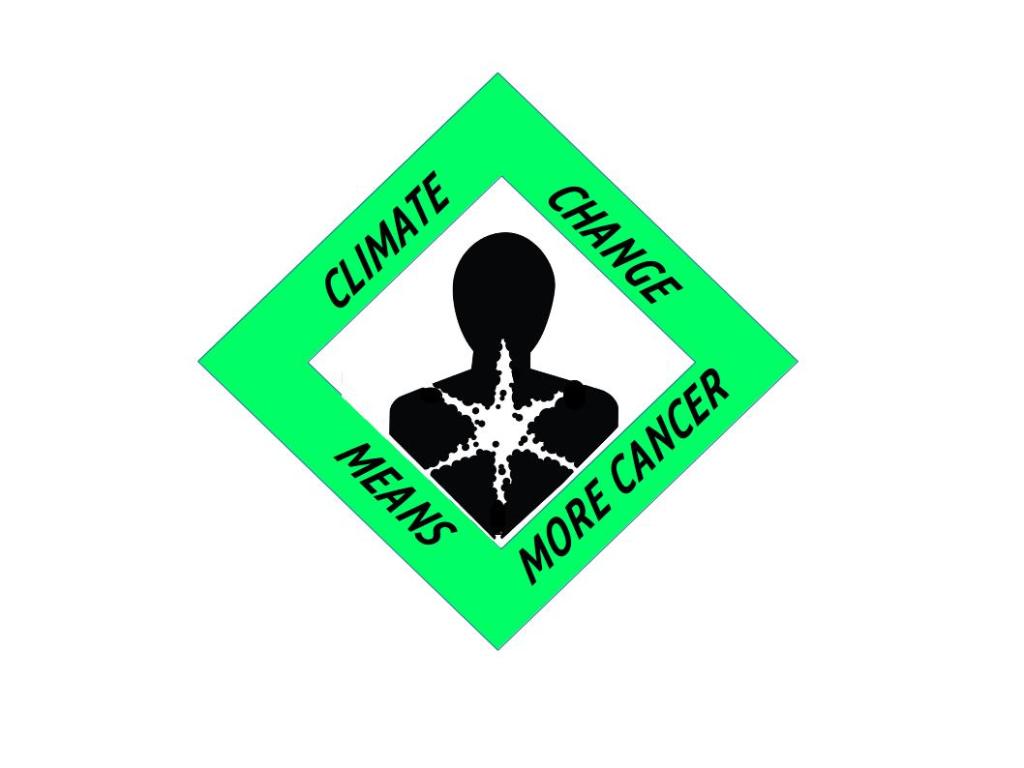
So if we allow climate change to continue, we will see increased cancer caused by airborne PAHs. “Climate Change means more Cancer” needs to be promoted as a new reason for stopping climate change.
Climate Change means more Cancer!
Climate change means more cancer; and people dying and losing their homes from fire and floods. As climate change gets worse more and more people will be affected. The most effective way to limit climate change is to stop all fossil fuel mining. By deciding to allow more fossil fuel mining, our politicians are putting the interests of mining companies (or is it their election campaign donations) ahead of the lives and well-being of their constituents. We need politicians who put their constituents first, and will spend most of their time working to reduce climate change.
To find out more about climate change and our future options, please read “Humanity’s Moment: A Climate Scientist’s Case for Hope” by Dr Joëlle Gergis
 pahs-and-cancer.org