PAHs cause mutations in
our DNA
Mutations cause cancer
Cancer caused by PAHs is increasing
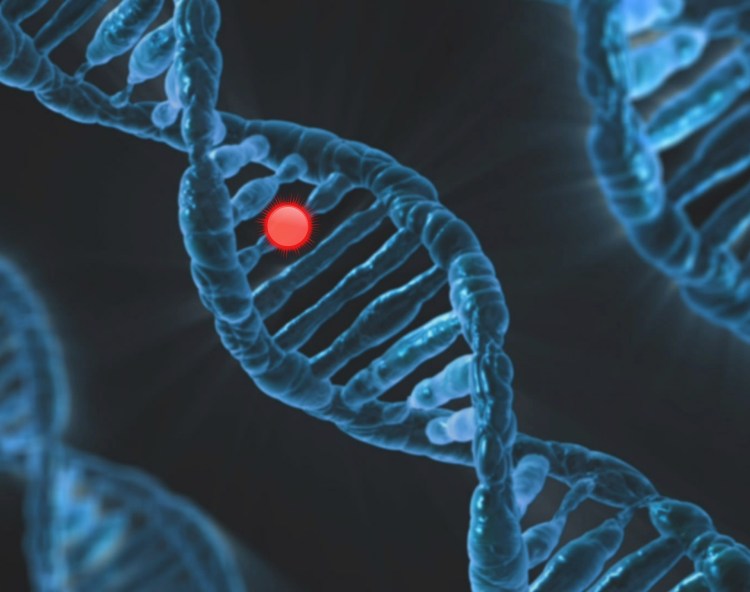
Environmental chemicals cause DNA mutations
Your body is made up of about 40 trillion tiny bags called cells. Each has a copy of your DNA. DNA contains all of your genetic information and the instructions to make each cell work properly. Environmental chemicals can enter your body from the air you breathe, the food you eat, and the water you drink. Some of these environmental chemicals can enter your cells and react with your DNA to cause mutations. These chemicals are called carcinogens and they can cause cancer.
What causes cancer?
Chemicals like PAHs, and radiation like UV in sunlight, cause DNA mutations that result in cancer. PAHs are likely to be the main chemical in our air and water causing cancer today.
Every cell can replicate itself by dividing into two cells.

When we are adults, cell division is controlled so that our organs and tissues remain the same size. Genes in our DNA control cell division. If these genes are inactivated by mutation, cell division is no longer controlled, and a cancer cell is formed. It divides out of control and forms a tumour.
These cancer cells may spread to other parts of the body and continue to grow.
So cell division is controlled if the DNA in a cell remains intact. If, however, the DNA is altered by radiation or chemicals causing mutations, cell division can go out of control resulting in a cancer cell.
It takes several mutations over many years to change a normal cell into a cancer cell. From exposure to radiation or chemical mutagens, cancer takes 4-5 years to develop in children and 10 to 12 years in adults. Link scientific evidence – 6
PAHs are by far the most potent environmental carcinogens.
What are PAHs?
PAH stands for Polycyclic Aromatic Hydrocarbon. As they cause cancer, PAH could stand for “Pretty Awful and Horrible”, or will “Puts Anyone in Hospital”!
They are a chemicals made up of a number of carbon and hydrogen (Hydrocarbon) based rings joined together (Polycyclic). The “Aromatic“ refers to having alternating single and double bonds in the rings which make some, but not all of them, have odours.
PAHs are made when plant or animal material is burnt or deteriorates. Large numbers of PAHs are also made when plant material is geologically changed into fossil fuels, so coal, crude oil, and gas contain a lot of PAHs.
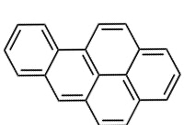
There are thousands of different PAHs each with a different ring structure.
Benzo-α-pyrene is one example:
PAHs cause DNA mutations
The DNA double helix can be thought of as a twisted ladder. The rungs in in the twisted ladder model are the DNA base pairs. Each DNA base pair is one letter of the genetic code contained in DNA.
PAHs are flat multi-ring structures that are very similar to a DNA base pair.

So PAHs have the perfect structure to slip in between the base pairs in DNA.
This disrupts the function of DNA, causing mutations.
PAHs have the ideal structure to enter the DNA helix, and bind strongly to DNA. Many PAHs, especially if activated in the liver, can form permanent bonds with DNA. PAHs ideal structure to bind to DNA, and ability to form permanent bonds, makes them some of the most potent mutagens (chemicals that cause mutations in DNA) known to Science.
As DNA mutations cause cancer, this means PAHs are likely to be some of the most potent carcinogens (chemicals that cause cancer) known to science. Link scientific evidence – 7
Cancer Potency of PAHs
Using values from the United States Environmental Protection Agency and World Health Organisation, we can compare the relative potencies of chemicals that cause cancer.
If Benzene (which if inhaled causes liver cancer) has a value of 1 for its potency in causing cancer, and Agent Orange has a value of 700, then Agent Orange is obviously far more potent than Benzene.
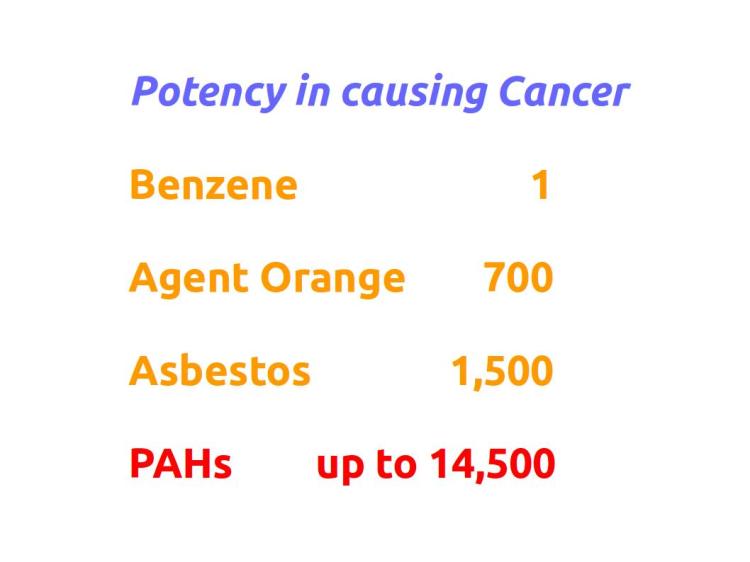
Imagine then how potent and carcinogenic PAHs are with a value of 14,500.
So, extremely low concentrations of environmental PAHs can cause cancer.
With potencies greater than Agent Orange for causing cancer from food and water, and up to 10 times greater than abestos when inhaled, PAHs pose a huge threat to public health. Link scientific evidence – 7
Pahs are genotoxins, reacting permanently with DNA to form new molecules. In theory, as PAHs are genotoxic, they could initiate cancer at concentrations way below the levels in drinking water that present assays can detect. Some scientists believe there may be no safe levels for these chemicals in water or air, so we must work to make the amounts as minimal as possible.
Why don’t we know about PAHs?
This threat to public health is being overlooked largely because only a few PAHs have been studied, or have had health risks estimated. We need a lot more research into PAHs and their effects on our health.
PAHs in smoke cause many different types of cancer
Once PAHs enter our bodies by breathing in smoke, they can cause many other types of cancer, not just lung cancer. Cigarette smoking has been shown to cause breast cancer and liver cancer, as well as lung cancer. Cooking with solid fuels has been found to increase cancer of the salivary glands, oral cavity, pharynx and larynx, gastric cancer, cancer of the kidney (renal-cell carcinoma), cervical cancer, liver cancer and oesophageal cancer.
click for scientific evidence
How much cancer is caused by PAHs?
PAHs cause most lung cancer. They are the main carcinogen in cigarette smoke, and could cause 70% of lung cancer from cigarette smoking (over 1.7 million cases each year). Globally, 2.7 billion people cook or heat with solid fuels, wood, coke or coal. This has resulted in 108,000 lung cancer cases annually caused largely by PAHs in the smoke. Each year, there are 90,000 new lung cancer cases in industrial workers who are exposed to PAHs in their workplace.
PAHs in atmospheric pollution were estimated to cause at least another 2,000 lung cancer cases in 2017. This may be only the tip of the iceberg, as climate change continues to produce more megafires. Megafires put huge amounts of PAHs into the atmosphere; these are long lived and travel all over the world. Global PAH levels will increase, and this will result in increased cancer.
Eating smoked and barbequed food (containing PAHs) contributes to 1.9 million colon cancer cases annually. When PAHs enter our bodies by breathing in smoke, they can cause cancer in organs other than the lungs, for example brain, breast, gastric, cervical and oesophagial cancer. If this resulted in 15% of these cancers, this would be another 2.3 million cases per year.
Overall PAHs could be causing over 6 million new cancer cases each year (at least 30% of cancers).
PAHs are causing increased cancer now in Australia
In Queensland, Australia, data from hospital admissions indicates childhood cancer could be doubled in CSG and Coal Mining areas compared to a control area. Link scientific evidence – 12
PAHs in smoke from the catastrophic 2019-2020 Australian Black Summer bushfires will increase cancer in years to come. Link scientific evidence – 13
Scientists have been aware of the cancer risks from PAHs for some time; governments have been slow to act
PAHs were first shown to cause cancer in the 1930’s. Since then scientists have been warning that PAHs from burning fossil fuels and cigarette smoke will cause cancer, but to little avail.
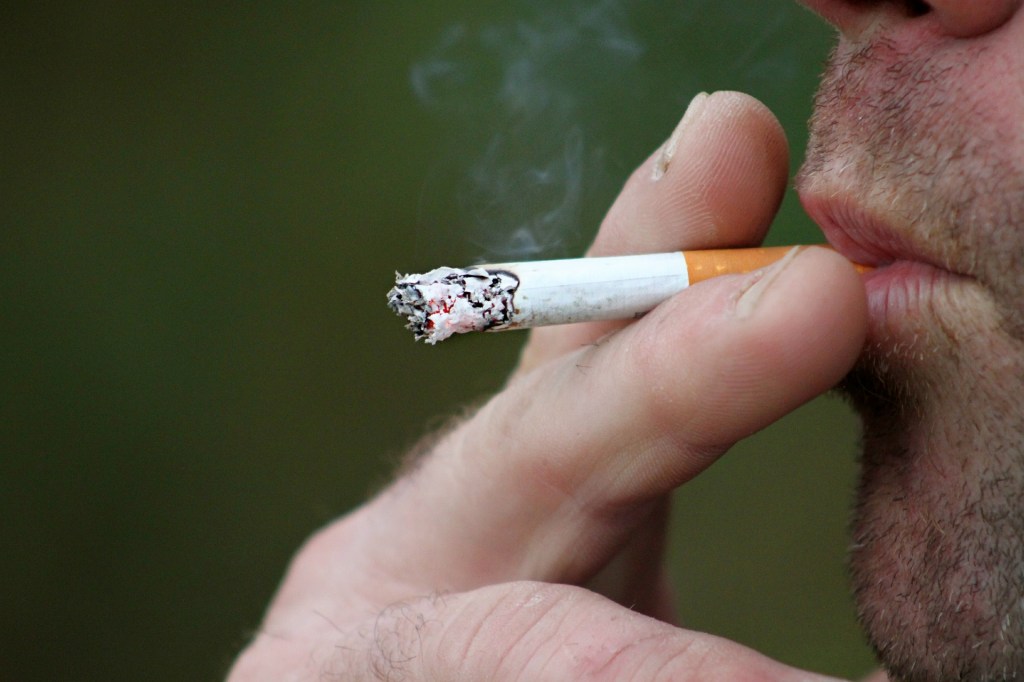
Consider cigarette smoking. With the 10+ year delay from exposure to PAHs to the development of cancer, and industry suppressing the science, it took many years to convince governments that PAHs in cigarette smoke were causing cancer.
Thankfully, the cigarette smoke problem has now been addressed and appropriate legislation enacted. The problem is that we are still in this initial period with the recognition of PAHs in the air and water near fossil fuel mining, and in wildfire runoff. Our goal is that these factors will soon be recognised as a major cause of cancer. We should act now Link scientific evidence – 8
Cancer from industrial PAHs
Increased incidence of lung and bladder cancer has been shown to correlate with the amount of PAH exposure in a range of industrial workplaces.
For example, coke-oven workers workers have been shown to have increased cancer of the upper aero-digestive tract due to inhaling fumes containing PAHs. Link scientific evidence – 9
Cancer from burning of coal

In China, PAH emissions when coal is used for domestic cooking and heating have been shown to increase lung cancer
two to three fold. click for scientific evidence 10
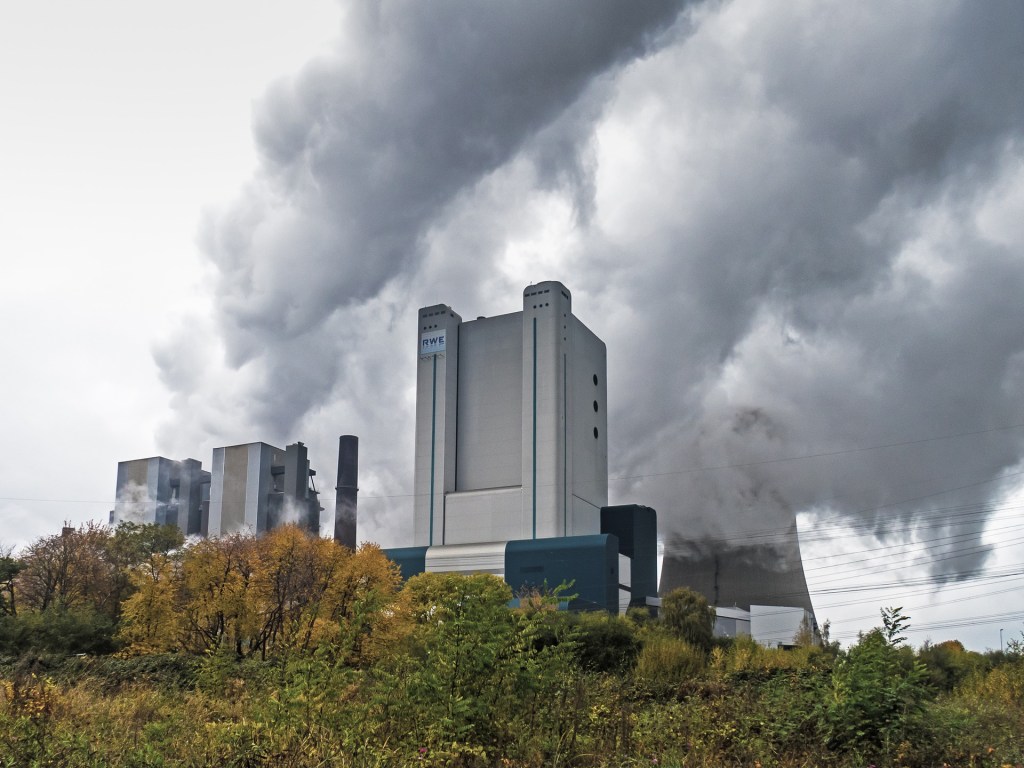
In Spain, smaller but significant increases in lung, laryngeal, and bladder cancer were found near coal-fired power stations. The closer to the installation, the greater the increase. Link scientific evidence – 9
Cancer from fossil fuel mining
Studies in the USA and China have shown increased lung cancer in coal miners and residents living near coal mines.

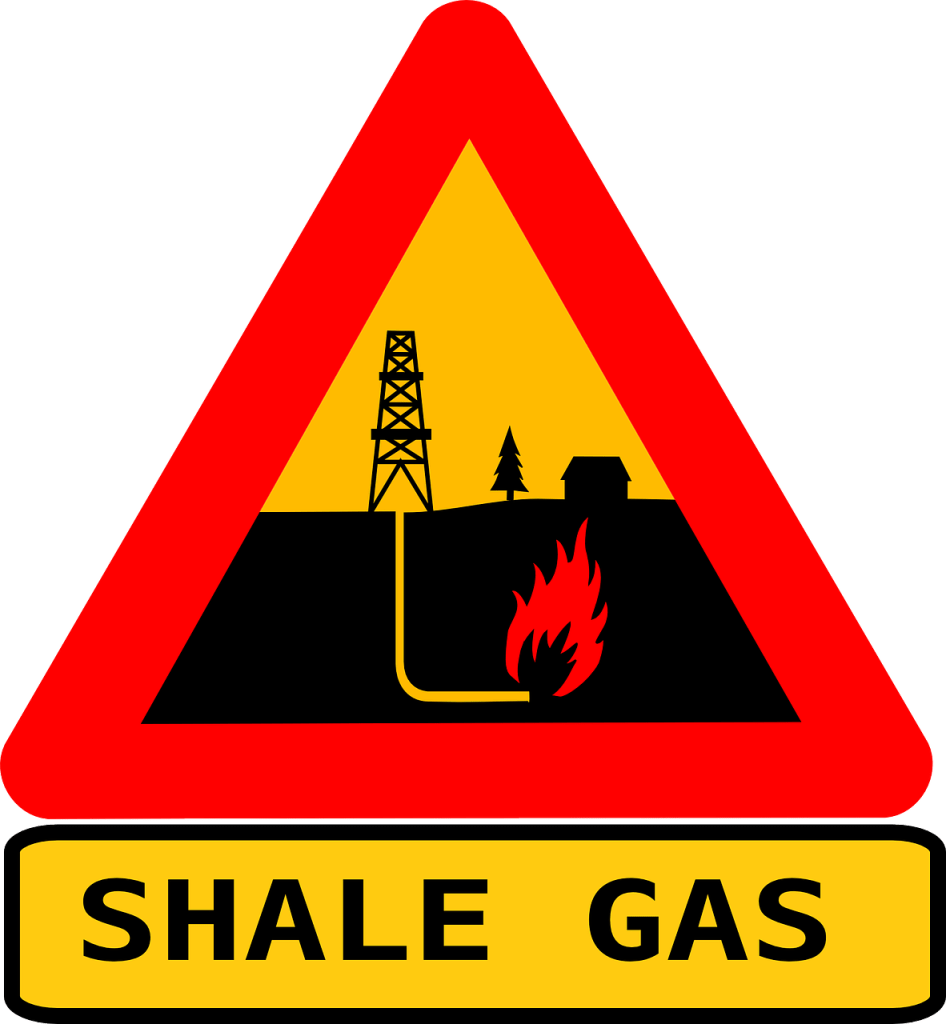
There is a 10-12 year delay before chemical mutagen exposure results in cancer. Now, after 15 years of shale gas mining, we are seeing increased cancer in the USA. Increased bladder cancer has been reported in adults living in shale gas mining areas in Pennsylvania. Link scientific evidence – 11
Unconventional gas mining (CSG) in Australia has been carried out for less than 10 years, but there is now preliminary evidence of increased cancer in children in Queensland. In a recent Australian study, 5 to 9 year olds in a CSG mining area and in a coal mining area in Queensland had twice the hospitalisation rate for cancer compared to those in a control area i.e. with no mining. These results indicate that childhood cancer could be higher in a coal-mining area with no fracking as well as in a CSG area with fracking. This means carcinogens from coal (PAHs) are likely to be the cause, rather than fracking chemicals. Link scientific evidence – 12
Cancer from Wildfires
Increased lung and bladder cancer in firefighters exposed to smoke has been attributed to PAHs.
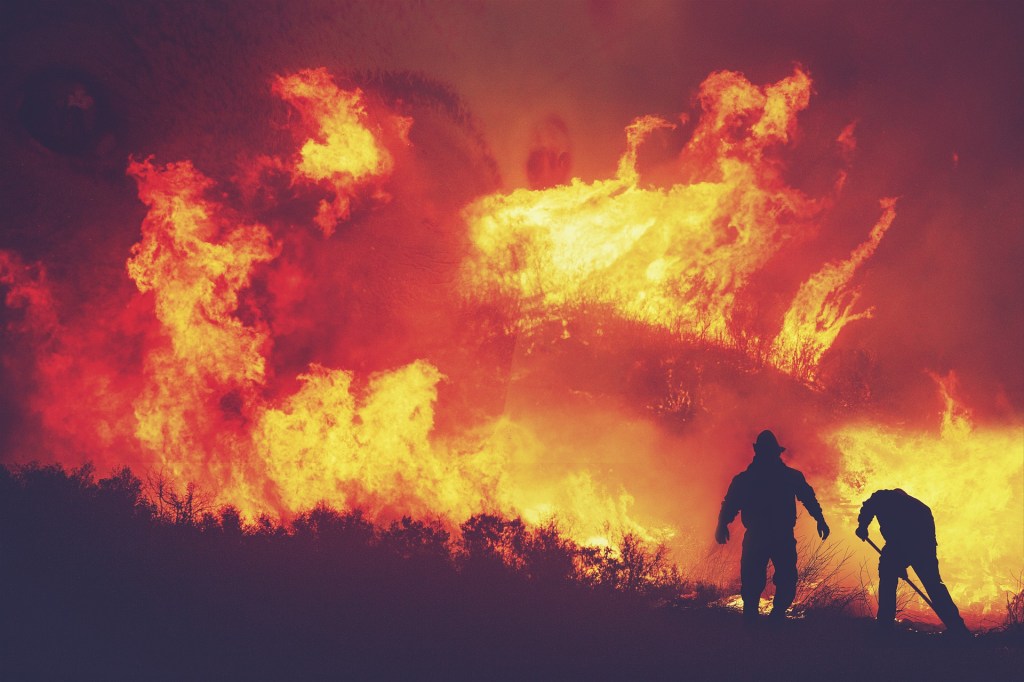
A recent Canadian study has shown people living within 50 kilometers of a wildfire in the past 10 years had a 4.9% higher risk of lung cancer and a 10% higher risk of brain tumors compared to people not exposed to wildfire. These figures will increase in follow up studies, as most cancers are diagnosed 10 to 15 years after exposure to carcinogens.
The cancer incidence from wildfires will also be higher than these figures (based on 2015 data), considering the recent increase in wildfires. If wildfires continue to increase, the cancer incidence will increase even further. Link scientific evidence – 13.
Cancer in Sydney from megafire smoke in 2019/20
Sydney residents were exposed to smoke levels during the 2019/20 bushfire season equivalent to smoking about 20 cigarettes a day. This will increase lung cancer in 10-15 years time. Link scientific evidence – 14
PFAS the forever chemicals; PAHs the now chemicals.
Due to public outcry, PFAS are being phased out, but alarmingly PAHs, the chemicals causing over 30% of today’s cancer, continue to be allowed to increase in our air and water.
PFAS may have caused hundreds of cases of cancer where people have been in contact with high concentrations of these chemicals eg in fire retardants. click for scientific evidence Long chain PAFS are being banned from manufactured goods. This will prevent them reaching the levels in our air and water, that could cause cancer on a large scale in the future. PFAS cancer is decreasing.
Globally, over 6 million cases of cancer were attributable to PAHs in 2022. PAHs (Polycyclic Aromatic Hydrocarbons – lets call them “Pahs” rhymes with “cars”) are causing at least 30% of today’s cancer click for scientific evidence . Global levels of Pahs in air and water are increasing, Cancer from Pahs is increasing.
Pahs in water can be far more potent at causing cancer than agent orange, and are 300 times more potent than PFAS. Pahs are genotoxic, reacting with DNA to cause cancer. Genotoxins can cause cancer when at very low levels, below levels that present drinking water assays can detect. PFAS are not genotoxic, but can cause cancer in people exposed to large amounts of PFAS (during their manufacture and in fire retardants). When it comes to future cancer, Pahs are the chemicals we should be most concerned about.
PFAS and Pahs are both persistent chemicals in the environment, with half lives ranging from weeks to years in fresh water, soil and the sea. Pahs have a relatively short life in the human body, being readily metabolised into more active forms and excreted. PFAS are relatively very long lived, and accumulate. They can now be detected in most people’s blood, but at levels too low to cause cancer.
In Australia, the Drinking Water Standards are being modified with new safe levels for PFAS, and a NSW government select committee is inquiring into PFAS contamination in waterways and drinking water supplies.
Megafires release huge amounts of smoke and ash containing Pahs. Wildfires are increasing with climate change. When it rains, Pahs in smoke and ash from fires, are washed into local waterways, and drinking water supplies. Pahs in catchment and drinking water will increase. Cancer from these Pahs will increase. Pahs are the chemicals that need to be monitored in our air, waterways and drinking water supplies.
 pahs-and-cancer.org