
We are being exposed to more and more PAHs in our daily lives.
PAHs are made when plant or animal material is burnt or deteriorates. They are found in most types of smoke including smoke from cigarettes, barbecues, vehicle exhausts, and bushfires.
PAHs are found in all crude fossil fuels, and are liberated into the air and water during coal, oil, and gas mining.
Click for scientific information on sources of PAHs
PAHs in Air
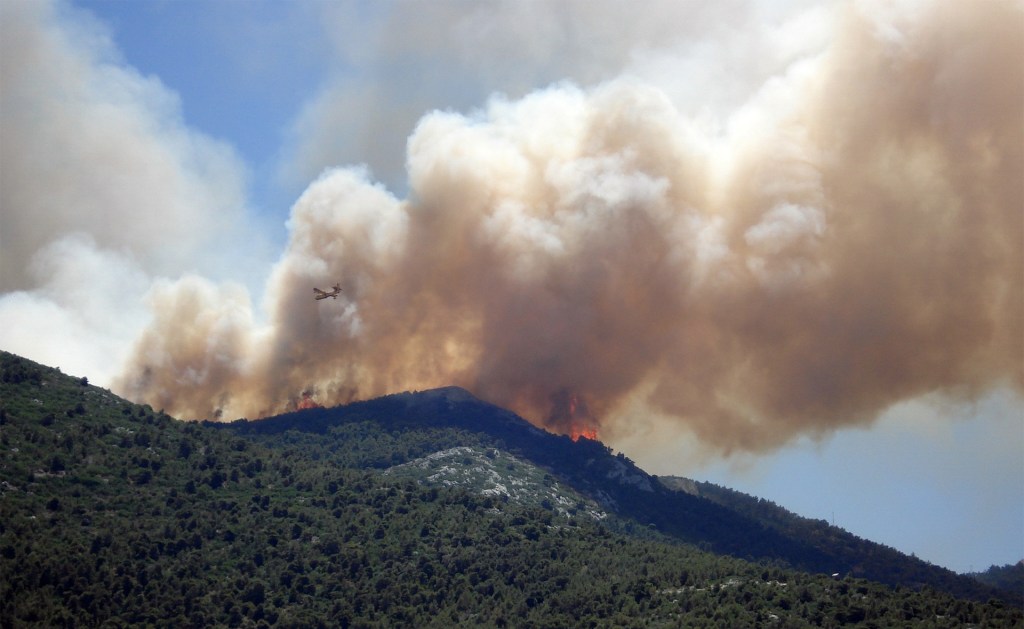
The main emitters of PAHs into the air are:
- wildfires (called bushfires in Australia)
- burning of fossil fuels (coal-fired power stations, vehicle exhausts, flaring of impurities from natural gas)
- household wood heaters
PAHs in Water
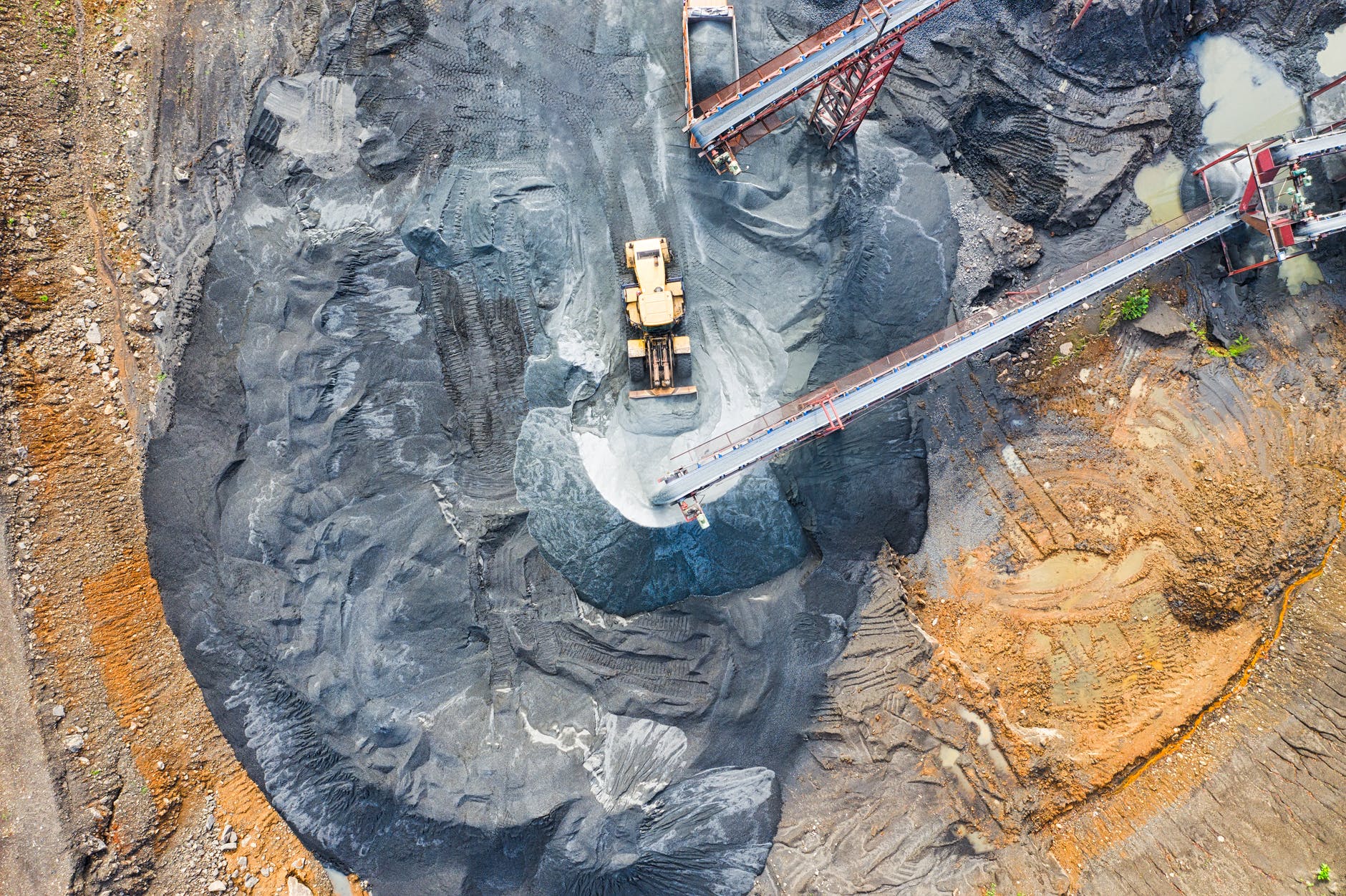
Wildfires, and the mining of fossil fuels are the main emitters of PAHs into our water supplies.
- In wildfire areas, PAHs in smoke tend to bind to particulate matter, which drops to the soil, then dissolves in runoff when it rains, and ends up in nearby drinking water supplies.
- Similarly PAHs in dust from coal mining, especially open-cut mining, can be washed by rain into underground water tables.
Fracking
Fracking in Coal Seam Gas (CSG) or Unconventional Gas mining (UG) allows large amounts of PAHs to be dissolved from coal seams and shale which are then leached out into groundwater, or pumped back above ground as “produce water”.
Fracking chemicals can contain carcinogens, but these are usually not as potent in causing cancer as coal PAHs. So coal and fossil fuel PAHs made soluble by the mining process are usually the chemicals in produce water and groundwater that cause cancer, rather than fracking chemicals themselves.
Link scientific evidence – 4
A Long-Term, Worldwide Problem
PAH levels are increasing worldwide in air and watercourses, and are considered by many scientists to be the major environmental carcinogen causing tracheal, lung, oesophageal, liver, and bladder cancer.
Link scientific evidence – 5
PAHs are very stable and will remain in the environment for a long time,
increasing cancer in our children and grandchildren

 pahs-and-cancer.org